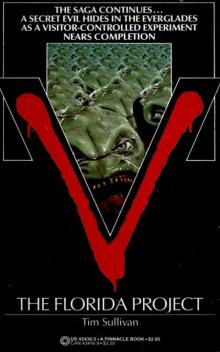
Speculative Sullivan: The Collected Short Fiction, page 1


Jerry eBooks
No copyright 2024 by Jerry eBooks
No rights reserved. All parts of this book may be reproduced in any form and by any means for any purpose without any prior written consent of anyone.
Speculative Sullivan
The Collected Short Fiction
Tim Sullivan
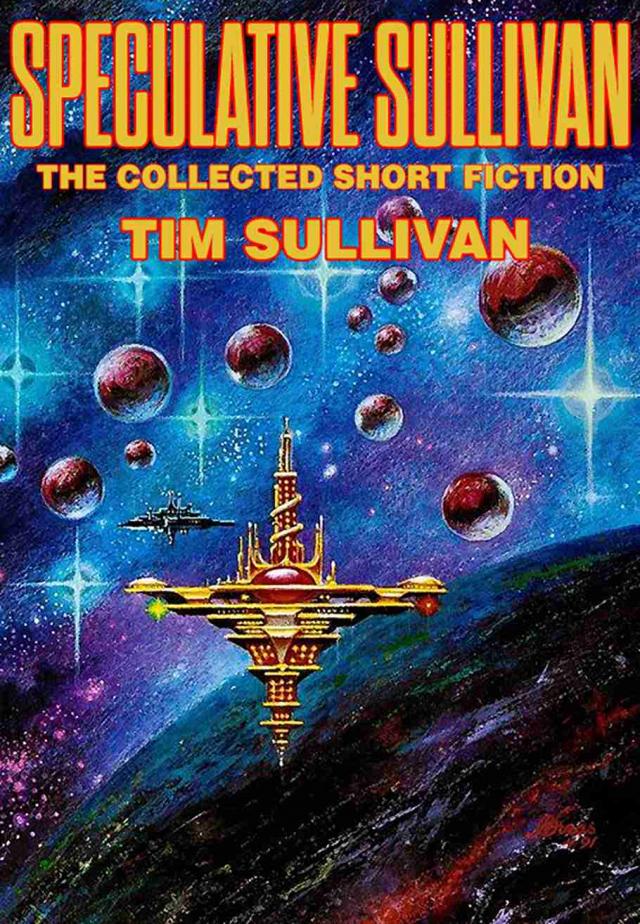
(custom book cover)
Jerry eBooks
Title Page
About Tim Sullivan
Bibliography
Short Fiction Bibliography: chronological
Short Fiction Bibliography: alphabetical
Fiction Series
1977
Doin’ That Tachyon Rag
Downward to Darkness (Part One of Two)
1978
Downward to Darkness (Part Two of Two)
1979
The Rauncher Goes to Tinker Town
My Father’s Head
1981
Zeke
1982
The Army of the Woods
The Comedian
1984
A Friendly Game of Hoople
1986
Special Education
Stop-Motion
1987
Dinosaur on a Bicycle
1988
Knucklebones
Father to the Man
1990
Midnight Glider
1991
Fantasies
Nox Sanguinis
Los Niños de la Noche
Hypnoteyes
1992
Anodyne
Atlas at Eight A.M.
1993
Mother and Child Reunion
2000
Hawk on a Flagpole
2003
The Mouth of Hell
2008
The Nocturnal Adventure of Dr. O and Mr. D
Planetesimal Dawn
Way Down East
2009
Inside Time
2010
Star-Crossed
2011
Under Glass
2012
Repairmen
2013
The Nambu Egg
Through Mud One Picks a Way
2014
Gellen’s Retirement Plan
The Memory Cage
Yeshua’s Dog
2015
Hob’s Choice
Tim Sullivan was born on June 9, 1948, in Bangor, Maine, the son of Charles Edward Sullivan, a United States Postal Service worker, and Lillian Hope Fitzgerald Sullivan, a stay-at-home mother who raised their children, Charles (“Charlie”) Edward Sullivan, Jr., and Timothy.
Tim and Charlie developed a love of genre fiction from their father, who brought home for them books and comics ranging from Edgar Rice Burroughs to Vladimir Nabokov to Mad magazine.
The Sullivan brothers attended John Bapst Memorial High School in Bangor, as did Tozier. Sullivan’s older brother, Charlie, a corporal in the United States Marine Corps, died in battle in the Vietnam War.
When Sullivan’s father died in 1968, Sullivan and his mother moved to Lake Worth, Florida. He briefly attended Miami Dade Community College. Sullivan earned a bachelor’s degree while at FAU. He began but did not complete postgraduate education.
In 2003, he moved to South Miami, Florida to share a house with Fiona Kelleghan.
Timothy Sullivan has used different versions of his name while publishing fiction: Timothy Robert Sullivan, Timothy R. Sullivan, and Tim Sullivan.
BIBLIOGRAPHY
Novels
The Florida Project (1985)
The New England Resistance (1985)
To Conquer the Throne (1987)
Destiny’s End (1988)
The Parasite War (1989)
The Dinosaur Trackers (1991)
The Martian Viking (1991)
Lords of Creation (1992)
Serials
Downward to Darkness, Unearth Fall, October, 1977-Fall, Winter, January, 1978
SHORT FICTION BIBLIOGRAPHY
CHRONOLOGICAL
1977
Doin’ That Tachyon Rag, Unearth, Spring, April 1977
Downward to Darkness (Part One of Two), Unearth, Fall, October 1977
1978
Downward to Darkness (Part Two of Two), Unearth, Winter, January 1978
1979
The Rauncher Goes to Tinker Town, New Dimensions Science Fiction Number 9, April 1979
My Father’s Head, Chrysalis 5, September 1979
1981
Zeke, Rod Serling’s The Twilight Zone Magazine, October 1981
1982
The Army of the Woods, Fantasy Newsletter #45, February 1982
The Comedian, Isaac Asimov’s Science Fiction Magazine, June 1982
1984
A Friendly Game of Hoople, Ares, Spring 1984
JuJu, Incorporated, Fantasy Review, May 1984
1986
Special Education, Isaac Asimov’s Science Fiction Magazine, January 1986
Stop-Motion, Isaac Asimov’s Science Fiction Magazine, August 1986
1987
Dinosaur on a Bicycle, Isaac Asimov’s Science Fiction Magazine, March 1987
1988
Knucklebones, Jack the Ripper, September 1988
Father to the Man, Isaac Asimov’s Science Fiction Magazine, October 1988
1990
Midnight Glider, Iniquities, Autumn, October 1990
1991
Fantasies, Amazing Stories, August 1991
Snowbanks, Cold Shocks, August 1991
Nox Sanguinis, Pulphouse: The Hardback Magazine Issue 11, September 1991
Los Niños de la Noche, The Ultimate Dracula, October 1991
Hypnoteyes, Pulphouse: A Fiction Magazine, December 31, 1991
1992
Anodyne, Pulphouse: A Fiction Magazine, November 1992
Atlas at Eight A.M., Asimov’s Science Fiction, mid-December, December 15, 1992
1993
Mother and Child Reunion, The Ultimate Witch, October 1993
2000
Hawk on a Flagpole, Asimov’s Science Fiction, July 2000
2003
The Mouth of Hell, Asimov’s Science Fiction, August 2003
2008
The Nocturnal Adventure of Dr. O and Mr. D, The Magazine of Fantasy & Science Fiction, April 2008
Planetesimal Dawn, The Magazine of Fantasy & Science Fiction, October/November, October 2008
Way Down East, Asimov’s Science Fiction, December 2008
2009
Inside Time, The Magazine of Fantasy & Science Fiction, December 2009
2010
Star-Crossed, The Magazine of Fantasy & Science Fiction, March/April, April 2010
2011
Under Glass, The Magazine of Fantasy & Science Fiction, November/December, November 2011
2012
Repairmen, The Magazine of Fantasy & Science Fiction, March/April, March 2012
2013
The Nambu Egg, The Magazine of Fantasy & Science Fiction, July/August, July 2013
Through Mud One Picks a Way, The Magazine of Fantasy & Science Fiction, November/December, November 2013
2014
Gellen’s Retirement Plan, Outpouring: Typhoon Yolanda Relief Anthology, January 2014
The Memory Cage, The Magazine of Fantasy & Science Fiction, May/June, May 2014
Yeshua’s Dog, The Magazine of Fantasy & Science Fiction, November/December, November 2014
Anomaly Station, Asimov’s Science Fiction, December 2014
2015
Hob’s Choice, The Magazine of Fantasy & Science Fiction, November/December, November 2015
SHORT FICTION BIBLIOGRAPHY
ALPHABETICAL
A
A Friendly Game of Hoople, Ares, Spring 1984
Anodyne, Pulphouse: A Fiction Magazine, November 1992
Anomaly Station, Asimov’s Science Fiction, December 2014
The Army of the Woods, Fantasy Newsletter #45, February 1982
Atlas at Eight A.M., Asimov’s Science Fiction, mid-December, December 15, 1992
C
The Comedian, Isaac Asimov’s Science Fiction Magazine, June 1982
D
Dinosaur on a Bicycle, Isaac Asimov’s Science Fiction Magazine, March 1987
Doin’ That Tachyon Rag, Unearth, Spring, April 1977
Downward to Darkness (Part One of Two), Unearth, Fall, October 1977
Downward to Darkness (Part Two of Two), Unearth, Winter, January 1978
F
Fantasies, Amazing Stories, August 1991
Father to the Man, Isaac Asimov’s Science Fiction Magazine, October 1988
G
Gellen’s Retirement Plan, Outpouring: Typhoon Yolanda Relief Anthology, January 2014
H
Hawk on a Flagpole, Asimov’s Science Fiction, July 2000
Hob’s Choice, The Magazine of Fantasy & Science Fiction, November/December, November 2015
Hypnoteyes, Pulphouse: A Fiction Magazine, December 31, 1991
I
Inside Time, The Magazine of Fantasy & Science Fiction, December 2009
J
JuJu, Incorporated, Fantasy Review, May 1984
K
Knucklebones, Jack the Ripper, September 1988
L
Los Niños de la Noche, The Ultimate Dracula, October 1991
M
The Memory Cage, The Magazine of Fantasy & Science Fiction, May/June, May 2014
Midnight Glider, Iniquities, Autumn, October 1990
Mother and Child Reunion, The Ultimate Witch, October 1993
The Mouth of Hell, Asimov’s Science Fiction, August 2003
My Father’s Head, Chrysalis 5, September 1979
N
The Nambu Egg, The Magazine of Fantasy & Science Fiction, July/August, July 2013
The Nocturnal Adventure of Dr. O and Mr. D, The Magazine of Fantasy & Science Fiction, April 2008
Nox Sanguinis, Pulphouse: The Hardback Magazine Issue 11, September 1991
P
Planetesimal Dawn, The Magazine of Fantasy & Science Fiction, October/November, October 2008
R
The Rauncher Goes to Tinker Town, New Dimensions Science Fiction Number 9, April 1979
Repairmen, The Magazine of Fantasy & Science Fiction, March/April, March 2012
S
Snowbanks, Cold Shocks, August 1991
Special Education, Isaac Asimov’s Science Fiction Magazine, January 1986
Star-Crossed, The Magazine of Fantasy & Science Fiction, March/April, April 2010
Stop-Motion, Isaac Asimov’s Science Fiction Magazine, August 1986
T
Through Mud One Picks a Way, The Magazine of Fantasy & Science Fiction, November/December, November 2013
U
Under Glass, The Magazine of Fantasy & Science Fiction, November/December, November 2011
W
Way Down East, Asimov’s Science Fiction, December 2008
Y
Yeshua’s Dog, The Magazine of Fantasy & Science Fiction, November/December, November 2014
Z
Zeke, Rod Serling’s The Twilight Zone Magazine, October 1981
FICTION SERIES
[N] = Novel
[SF] = Short Story/Novelette
Planetesimal Dawn
Planetesimal Dawn [SF]
Star-Crossed [SF]
V
The Florida Project [N]
The New England Resistance [N]
To Conquer the Throne [N]
1977
Doin’ That Tachyon Rag
There are some things the spaceship pilot’s manual doesn’t deal with, such as how to handle galactic ghosts and Harpo Marx.
What Harry saw when he woke up would have made him wet his pants, had he been wearing any. In spite of his fear and discomfort, however, he did not move; instead, he counted his breaths as he had learned in zen training. He was confident that, if he could successfully clear his mind, the vision would turn out to be nothing more than the hangover from a bad dream.
One, inhale—two, exhale—three, inhale—four, exhale—all the way to ten and then back to one, inhale—two, exhale—don’t try to ignore it, Harry thought—three, inhale—just focus on the counting and the mind will remain clear—four, exhale—even if these things are milling all around the cabin—five, inhale—Christ, how could he not think about it?
They were touching him! Jesus God, they were touching him, examining him like a grapefruit, their wispy appendages playing softly over his skin like summer grass. Harry bit his fingers to avoid screaming, felt the cushion of his beard against his palm and the sharp pain of his own teeth sinking into his flesh; he knew this was no dream.
Count! One, inhale—two, exhale—basic Rinzai and Soto zazen meditation technique—don’t allow it to overwhelm you, Harry told himself, there’s a rational explanation . . . Losing count, he started from the beginning again; one, inhale—two, exhale—
The Program hadn’t counted on anyone boarding the ship while it traveled close to the speed of light; he had been given no instructions on how to deal with such a contingency. How could these beings have penetrated so swift a barrier, he wondered; how could they move from their own ship to the Lollipop without even disturbing his slumber?
“What are you?” he asked, his words echoing. “How did you get aboard?”
The beings transmogrified into graceful but still insubstantial forms; incorporeal, unreal. Harry felt his mind going under. He never should have joined the program, he carped internally. He should have stayed on Earth . . . but someone had to tend the ship while the others were in deep freeze.
“Angels,” Harry said, recalling the myths he had been taught as a boy. “You could be angels.”
The beings to which he attached mystical significance again changed shape. Their new forms were equally mysterious. His mind was beginning to feel the strain of the voyage, Harry reasoned . . . that’s all it was, just the strain. These hallucinations would soon go away.
But they didn’t.
In fact, they stayed so long that Harry started talking to them. As time passed, these one-sided conversations occurred more and more frequently. Harry had decided it didn’t matter whether the peculiar beings existed or not. Of course, no one else had ever seen such things, as far as he knew . . . unless the Program had kept it a secret—perhaps they thought the starvoyagers who saw the things were mad, he hypothesized. With nothing to do for months at a time but check a few gauges and dials now and then, why, anyone could go around the bend.
“Anyone,” Harry said aloud.
* * *
Studying the visitors as they circled about him, appendages linked, Harry compared them to children playing ring-around-the-rosy. No, that wasn’t quite right—though childlike, they were as tall as human adults. Since there were three of them, he named them Groucho, Chico, and Harpo.
“Maybe you come from the tachyon part of the Universe,” Harry said to the mute Harpo (at least he thought it was Harpo—he could never be sure, for the beings were in a constant state of flux), “and you’ve found a way to cross over into our part, the tardyon Universe. Of course, it would seem to you that things, were the other way around, according to theory. You’d think you’re tardyon and I’m tachyon . . . but since the ship is traveling near the speed of light, I’m not sure if that makes sense.”
As if in reply, Harpo touched him lightly on his bare shoulder (Harry had stopped wearing clothes, since he was the only conscious human aboard) but said nothing, as always.
“It stands to reason,” Harry continued to muse, “that you must have a ship of some kind, or you wouldn’t be able to catch up with the Lollipop. You couldn’t just be floating around in space trying to hitch a ride, now, could you? Or could you? You are pretty ghostly, come to think of it. Maybe you are capable of something like that.” Silence.
“Where are your brothers?” Harry asked, not having seen the other two aliens for quite some time. “Where are Groucho and Chico?”
Silence.
Harry decided to pass some time by searching the ship for the missing aliens. Past endless data banks he went, under the opaque cryonic shell, around the gleaming, silver tachyon filter—even through the pristine mess, a most unlikely hideout for such unearthly beings. As far as he could determine, they were no longer aboard.
But where, Harry wondered, could they have gone?
“Maybe they do live out in space,” he hypothesized. “Maybe they just hang around out there in the dark sucking up subatomic particles to keep them going. Coming inside the ship might be like swimming underwater to them: something they can do for a while, but not indefinitely.”
When he returned to his little cabin, however, Harpo was still there, apparently unperturbed by the ship’s environment. “Scratch that theory,” Harry muttered.
The strange being caressed him like a soft breeze as he entered the cabin.
“Your buddies are gone,” Harry said.
It continued to work its digits around his upper extremities. Perhaps, Harry considered, this was a means of communication? A tactile language of some sort? Yes, that was it, a language.
He reached out impulsively and touched the part that most resembled ahead.
Nothing happened.
“Well, it doesn’t really matter,” Harry rationalized. “I suppose you’ll be leaving soon, anyway.”
Harry, however, had assessed the situation incorrectly.
* * *
Harry dreamed that the alien was clowning and playing the harp, as its namesake had once done. Harry knew of the original Harpo by means of an ancient, flat, colorless tape playing on the durable nursery educator. At six years of age, Harry had watched Harpo and his two fellow lunatics defy authority the way every child would like to.
Growing older, he became familiar with all the Marx Brothers material preserved on tape. He was able to quote passages and sing all the words to the songs, but it was the silent Harpo he always loved best.