

Da Vinci's Ghost, page 24


ventricles 186, 188
Verino, Ugolino 66, 68, 69–70
Verrocchino, Andrea del 66, 80, 81, 95, 100, 108, 120, 163, 223
partnership with Leonardo 76, 97
studio of 71–75, 91
Baptism of Christ 75
David 72, 72, 215
Villard de Honnecourt 133–36, 135, 137, 156
Vincent of Beauvais 105
Speculum naturale (Mirror of Nature) 106
Vinci, Tuscany 63, 64, 66, 80, 117
Virgil 173
Visconti, Gaspare 216
Visconti, Giangaleazzo, duke of Milan 98
Visconti family 98, 172
Vitolone 6, 171
Vitruvian Man 46, 150, Pl. 9
associated with Augustus 40–41
crude renderings in illustrated editions of Vitruvius (early sixteenth century) 218–19
dating of Leonardo’s drawing 199–200
exact proportions of 39
the expression of an ideal 40
in Gallerie dell’Accademia, Venice xiv–xv, 218, 219, 222
ghost of 46, 74, 116, 217
and Hildegard 44, 61
an idealized self-portrait xii
Leonardo’s drawing ix–xv, 199–200, 203, 205, 210, 212–13, 214, 216–17, 218–25, 223
Martini’s drawings 197–99, 198, 210, 216
resemblance to Christ 47–48, 61, 203
side view of the foot 210–11
a study of human proportions ix, xii, 40
and Taccola 116
Vitruvius’s description 37–41, 47–48, 198–99, 198
a worldwide icon ix–x, xiii, 219, 220, 221
Vitruvius (Marcus Vitruvius Pollio) xiii, 46, 105, 136, 149, 154, 156, 201
army career 13–14
blueprint for race-based ideology of empire 34–36
De architectura libri decem (Ten Books on Architecture) 10–11, 13, 14, 25–29, 32, 34–41, 45, 46–48, 61, 62, 85, 114, 142–43, 144, 146, 148–49, 152, 173, 190, 196–97, 198, 199, 207, 208, 211, 213, 223
Ferrara manuscript 202–3, 204, 205, 206, 210
description of human proportions ix, 207, 208
fails to win fame in his lifetime 45
human analogy 33, 174
proportions of temples should conform to those of the ideal human body xi–xii
proposes that a man can be made to fit inside a circle and a square xi
studies architectural theory 25
and Vitruvian Man 37–41, 47–48, 150
W
William of Conches 53, 54, 55, 173
winds
cardinal Pl. 2
twelve Pl. 2
Witelo 171, 173, 200
Wound Man 175, 176
Z
Zodiac Man 175, 176
zodiac signs 176, Pl. 2
Plate 1. An eleventh-century diagram of the microcosm-macrocosm analogy. The human being (homo) occupies the same circle as the world (mundus) and the year (annus), and thus embodies all of time and space. The four elements link everything together. Fire, air, water, and earth make up the world, and their characteristics (heat, moisture, cold, and dryness) define the four seasons and the four bodily humors.
Plate 2. A twelfth-century diagram of the macrocosm-microcosm analogy. The four elements are linked to the four seasons, the four humors, the four cardinal directions, the four ages of man, the twelve winds, the twelve months, and the twelve signs of the zodiac. At the corners of the central diamond are the four cardinal winds, named in Latin and Greek. The initial letters of the Greek names spell out the name of Adam, who, in tiny script inside the red circle at the center, is identified with Christ, abbreviated as χρς.
Plate 3. The microcosm and macrocosm, from a twelfth-century German manuscript. The illustration gives human form to the sort of geometrical scheme laid out in Plate 2, and its layout underlies the microcosmic vision of Hildegard shown in Plate 5.
Plate 4. A geographical anatomy of the microcosm: the Ebstorf mappamundi, from the early thirteenth century. East is at the top, and the earth consists of three parts: Asia (top), Europe (bottom left), and Africa (bottom right). The entire image is also an embodiment of Christ, whose head appears at the top, whose feet appear at the bottom, and whose hands appear at the sides.
Plate 5. The microcosm as envisioned by Hildegard of Bingen. At the center, superimposed on the earth, is a human fi gure who at once represents Adam, Christ, and all of humanity. At the circumference, embodying the whole of the cosmic order, is the Holy Ghost, above which, beyond time and space, presides the Godhead.
Plate 6. God as architect of the world, from an illustrated early-thirteenth-century Bible.
Plate 7. The architect as God, and man as microcosm, by Taccola (c. 1430). “I have all measures in me,” the caption reads, “both of what is heavenly above and of what is earthly and infernal.”
Plate 8. Two of Leonardo’s proportional skull studies (1489). “Where the line am intersects the line cb,” a note at the left reads, “will be the confl uence of all the senses”—the seat of the human soul.
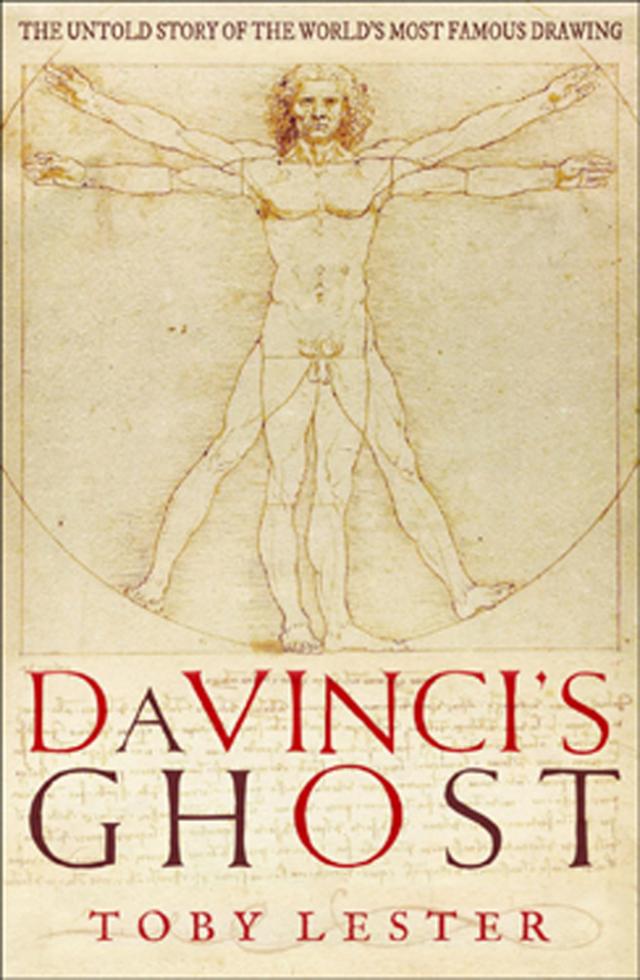
Plate 9. Vitruvian Man. Leonardo da Vinci (c. 1490).
Lester, Toby, Da Vinci's Ghost


