

The 100 Best Curries for Your Instant Pot, page 1


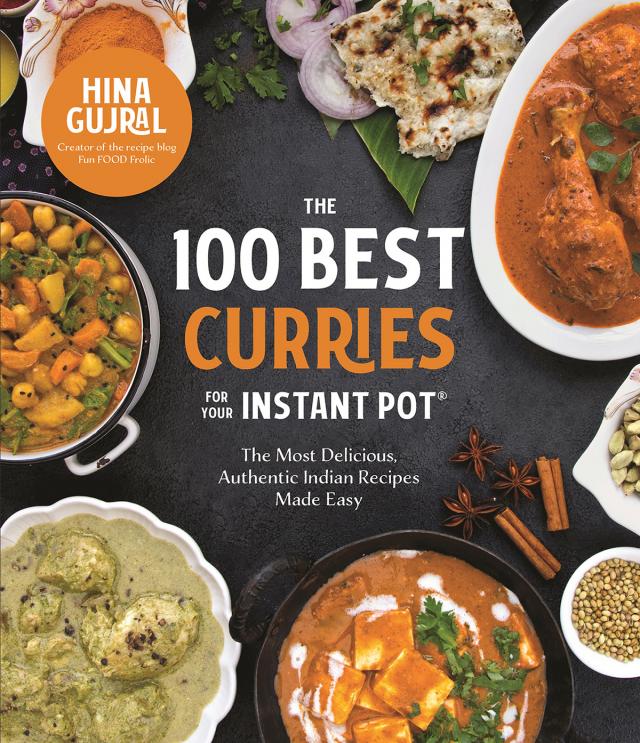
THE
100 BEST
CURRIES
FOR YOUR INSTANT POT
The Most Delicious, Authentic Indian Recipes Made Easy
HINA GUJRAL
Creator of Fun FOOD Frolic
Begin Reading
Table of Contents
About the Author
Copyright Page
Thank you for buying this
Page Street Publishing Co. ebook.
To receive special offers, bonus content,
and info on new releases and other great reads,
sign up for our newsletters.
Or visit us online at
us.macmillan.com/newslettersignup
The author and publisher have provided this e-book to you for your personal use only. You may not make this e-book publicly available in any way. Copyright infringement is against the law. If you believe the copy of this e-book you are reading infringes on the author’s copyright, please notify the publisher at: http://us.macmillanusa.com/piracy.
Dedicated to my husband Jasmeet for always being my biggest supporter and critic, and to the memory of my guardian angel Momo, who will forever be my guiding star.
INTRODUCTION
As a child, I was always transfixed by the multitude of curries made daily in our traditional Indian kitchen by the seasoned cooks of the family. The rhythmic stirring of pots, the burst of colors and distinct aromas, a soothing background score of cooking combined with the whistling of a stovetop pressure cooker … growing up, I found it all magical and mesmerizing.
In India, food is a ritual and part of our identity. It unifies us and, at the same time, shows the diversity of the nation. From north to south and east to west, food is the common language we all speak and happily share. With this cookbook, I am taking you on a journey of the 100 best curry recipes that you can make easily (and quickly!) at home in an Instant Pot®. Not only are my recipes filled with flavors, but they are also suitable for those who would like to learn how to cook authentic Indian food. A bit of patience and perseverance is the mantra you need to hold while experimenting with Indian food.
It took me 26 years to confess and accept my love for good food. Actually, my flair for cooking came to full bloom after I got married to my soul mate and we set up our first home kitchen in 2010. Ever since, there has been no turning back. I allowed my passion for food to become my purpose and turned it into a profession. Today, I work as a full-time food blogger (yes, that is my bread and butter now), digital creator and social media influencer.
My philosophy is easy, everyday, comfort food—the kind of meals I have grown up eating with my great-grandmother, grandfather, aunts, uncles and cousins. My intercultural marriage into a Sikh family of food lovers, extensive traveling and hours of labor in the kitchen helped me understand the nuances of Indian food in a better way.
Cooking is an art, and it gratifies the people who taste it when we cook with love. And this is the reason that I try to give a personal touch of love to each of my recipe creations. I am sure this cookbook will make you fall in love with Indian flavors.
I am always excited and proud about the variety of ingredients, fresh produce and protein sources we get in India. You will find chapters dedicated to lentil curries, purely vegetarian curries and seafood and meat curries, as well as to the more modern fusion curries and one-pot curried meals.
The word curry dates back to when European traders arrived on the shores of India in search of spices. The bright, bold, spicy and soupy Indian dishes with their local names and striking colors were confusing, amusing and intimidating at the same time for travelers and traders. Hence, the term caril, or curry, came into existence—a generic word devised by foreign homesteaders to describe the Indian main-course gravy or saucy dishes. And thus began the journey of the word curry.
In the past few decades, the upsurge of Indian middle-class nuclear families living away from their homeland required a new style of easy, fast and convenient cooking. As such, the pressure cooker became indispensable in Indian kitchens. The noisy stovetop pressure cooker synced effortlessly with the humdrum of everyday Indian life. The counting of whistles and maintaining the proper stovetop heat were all part of my cooking repertoire until I met the Instant Pot: the Western, more sophisticated cousin of traditional Indian pressure cookers. With the Instant Pot, I felt for the first time that I was in control of the cooking time of my curries. It not only streamlined the cooking process of the dishes but also reintroduced the long-lost concept of slow cooking to my Indian kitchen.
In this cookbook, there is something for every curry lover. Many of the recipes use ingredients readily available outside India, such as kale, butternut squash, zucchini, turkey or canned tomatoes. If you are new to the world of curries, turn to the “Indian Kitchen Staples” section to learn about the more traditional ingredients. While I know not everyone has access to authentic Indian ingredients, these days it is not that tough to spot an Indian grocery store in the neighborhood, or Indian aisle in a supermarket, for all the authentic supplies, thanks to the increase in the cuisine's popularity.
One piece of advice: Adjust the quantity of hot spices, such as red chili powder, green chiles, black pepper or garam masala according to your taste preference. And speaking of adjustments, each recipe in this book makes two generous servings, but if you're feeding more than two people, you can double or even triple the recipes as needed—just keep in mind that the cook times will vary.
I know I am not alone in my passion and obsession for Indian food. So, join me in a journey as we explore the 100 best vibrant, bold, colorful, tantalizing Indian curries through the chapters of this cookbook—all of which are made even better thanks to the Instant Pot. I hope you enjoy re-creating the recipes as much as I've enjoyed creating them.
RESTAURANT-STYLE FAVORITES
If you want to explore Indian flavors at home, then start with these forever favorite classics!
After India gained its independence, the native workforce started traveling and settling in different parts of the world. And when we Indians travel, we take our food and culture with us. Result: Today, you will find an Indian restaurant in every nook and corner of your city. These restaurants, mainly the curry houses in Britain, started serving dishes with subtle spices and a creamy gravy sauce; in short, dishes that were more suited for a non-Indian palate. In some way, these dishes were reminders of the bygone colonial era. Over the years, these restaurant-style favorites have become the flag bearer and the identity of Indian cuisine.
Such dishes as Butter Chicken and Navratan Korma are not part of everyday Indian meals. Even in 2021, as I write this book, a whole generation of people, including my mother, find these dishes not so comforting or wholesome. But you can imagine how popular these Indian restaurant-style favorites are among food lovers worldwide considering the fact that chicken tikka masala was considered the national dish of Britain.
These takeout-style dishes are associated with indulgence, richness and boldness. You will be pleased to know that a plethora of traditional Indian cookware isn't required to make these classic dishes at home. All you need is an Instant Pot and the perfect recipes (which you'll find in this chapter). Thanks to the Instant Pot, it is now so much easier to re-create your Indian restaurant–style favorites at home without spending hours in the kitchen to cook them, followed by tons of utensil cleaning. In fact, the Instant Pot makes such dishes like Dal Makhani or Mutton Rogan Josh better than any restaurant can.
BUTTER CHICKEN
Boneless Chicken in a Creamy Tomato Gravy
This creamy, orange-ish chicken curry is the harbinger of Indian cuisine worldwide. The dish was developed at a restaurant in New Delhi called Moti Mahal. The chef added leftover roasted chicken pieces to a gravy made with canned tomatoes along with some spices and cream—and voilà, butter chicken was brought into being. Today, the dish is a nationwide phenomenon that refuses to lose its charm even in the twenty-first century. Here is an easy butter chicken recipe that you can make in an Instant Pot without compromising on the flavors.
SERVES 2
Gluten Free
CHICKEN MARINADE
2 tsp (5 g) Kashmiri red chili powder
1 tbsp (15 ml) fresh lemon juice
1 tsp salt
1 tbsp (1 g) dried fenugreek leaves (kasuri methi)
4 tbsp (60 ml) melted ghee or unsalted butter
2 cups (250 g) boneless, diced chicken (about 9 oz; see note)
GRAVY
4 tbsp (55 g) ghee or unsalted butter, divided
1 cup (160 g) chopped white onion
4 dried Kashmiri chiles
2 tbsp (10 g) chopped fresh ginger
¼ cup (35 g) cashews
1 cup (244 g) canned crushed tomato
¼ cup (65 g) tomato paste or (60 ml) ketchup
1 tsp red chili powder
½ tsp ground cumin
1 tsp salt
½ cup (120 ml) water, divided
¼ cup (60 ml) light cream
¼ tsp garam masala
1 tbsp (1 g) dried fenugreek leaves (kasuri methi)
2 mild green chiles, such as jalapeños, Thai green chiles or serrano peppers, julienned
Prepare the marinade: In a medium-sized bowl, combine the red chili powder, lemon juice, salt, fenugreek leaves and ghee. Mix nicely to form a smooth marinade. Add the chicken pieces and coat with the marinade. Cover and chill in the refrigerator for 2
Prepare the gravy: Set the SAUTÉ mode of the Instant Pot for 6 minutes. Add 2 tablespoons (30 g) of the ghee to the inner pot. Once the ghee is hot, add the onion, Kashmiri chiles, ginger and cashews, and sauté for 2 to 3 minutes, or until the onion turns translucent.
Add the crushed tomato, tomato paste, red chili powder, cumin and salt, and sauté until the timer beeps, or for the next 2 to 3 minutes.
Transfer to a blender. Blend into a smooth paste, using ¼ cup (60 ml) of the water. Pass this curry paste through a sieve to achieve a smooth gravy texture.
Set the SAUTÉ mode for 2 minutes. Add the remaining 2 tablespoons (30 g) of ghee. Once the ghee is hot, add the marinated chicken cubes. Sauté them for 2 minutes.
Next, add the sieved gravy and the remaining ¼ cup (60 ml) of water to the Instant Pot. Stir to mix. Close the lid. Set the steam valve to the sealing position. Pressure cook at high pressure for 5 minutes. Wait for the natural steam release.
Add the cream, garam masala, fenugreek leaves and green chiles. Mix well into the gravy.
Set the SAUTÉ mode to LOW for 2 minutes. Let the curry simmer to thicken a bit. Serve warm with naan.
NOTE:
Alternatively, you can make butter chicken with leftover rotisserie or roasted chicken. If the chicken is precooked, use the PRESSURE COOK mode for only 2 minutes.
CHANA MASALA
Punjabi-Style Chickpea Curry
Every Indian restaurant has at least one version of chana masala on its menu. This typical Punjabi-style chickpea curry is the nation's go-to. It is a filling, wholesome and vegetarian main course dish that tastes divine with fried breads, such as bhatura or poori, or with naan, as well as with pulao. For a delicious restaurant-style chana masala, use dried raw chickpeas instead of precooked canned ones. Follow this tip and you will taste the difference in your chana curry.
SERVES 2
Vegan, Gluten Free
1 cup (200 g) dried chickpeas (chana; see note)
4 tbsp (60 ml) vegetable oil
1 bay leaf
2 green cardamom pods
1 black cardamom pod, crushed
1 tsp cumin seeds
1 cup (160 g) chopped red onion
1 tbsp (20 g) ginger and garlic paste
1 cup (180 g) canned tomato
2 tsp (12 g) salt
1 tsp ground turmeric
1 tsp red chili powder or paprika
1 tsp ground coriander
2½ cups (600 ml) water
1 mild green chile, such as jalapeño, Thai green chile or serrano pepper, sliced
1 tbsp (5 g) julienned fresh ginger
1 tsp garam masala
1 tbsp (15 ml) fresh lemon juice
2 tbsp (2 g) chopped fresh cilantro
Rinse the chickpeas until the water runs clear. Soak them in about 4 cups (960 ml) of water for 5 to 6 hours, or overnight.
Set the SAUTÉ mode of the Instant Pot for 15 minutes.
Add the oil to the inner pot. Once the oil is hot, add the bay leaf, cardamom pods and cumin seeds. Sauté for a few seconds to release the aroma of the whole spices.
Add the red onion and sauté for 3 to 5 minutes, or until lightly browned.
Add the ginger and garlic paste. Sauté for 30 to 40 seconds for the raw smell to waft away.
Next, add the tomato, salt, turmeric, red chili powder and coriander. Sauté the masala for 2 minutes, or until the masala comes together nicely.
Drain the water from the soaked chickpeas. Add them to the inner pot.
Sauté the chickpeas with the masala until the timer goes off.
Add the water. Stir. Close the lid. Set the steam valve to the sealing position. Pressure cook at high pressure for 40 minutes.
After the natural release of steam, open the lid. Change the Instant Pot setting to SAUTÉ mode for 5 minutes.
Add the green chile, ginger, garam masala, lemon juice and cilantro. Stir to combine. Gently mash the chickpeas, using a ladle, to thicken the sauce and allow the curry to simmer in SAUTÉ mode. Remove and discard the bay leaf before serving.
Serve with your Indian side dish of choice.
NOTE:
If you are using canned chickpeas for chana masala, pressure cook them for only 5 minutes to absorb the flavor of the curry.
BUTTER PANEER MASALA
Paneer in a Buttery Gravy
The term butter masala describes rich, silky smooth, buttery Indian curries. Butter paneer masala is a classic that you will always spot on the vegetarian section of an Indian restaurant's menu. This magical makhani (buttery) masala of mine can be prepared in advance and is freezer-friendly. Now, no need to rush to the nearby Indian restaurant for your favorite butter paneer masala when you can easily make it in an Instant Pot.
SERVES 2
Vegetarian, Gluten Free
1 cup (180 g) canned diced tomato
1 tbsp (16 g) tomato paste
1 tbsp (5 g) chopped fresh ginger
1 tbsp (9 g) cashews
1 mild green chile, such as jalapeño, Thai green chile or serrano pepper, sliced
1¼ tsp (7 g) salt, divided
½ cup (120 ml) water
2 tbsp (28 g) unsalted butter
4 tbsp (60 ml) light cream
1 tsp red chili powder
½ tsp ground turmeric
½ tsp ground cumin
¼ tsp ground green cardamom
1 tsp garam masala
1 tsp dried fenugreek leaves (kasuri methi)
1½ cups (250 g) cubed paneer
1 tbsp (1 g) chopped fresh cilantro
In the inner pot of the Instant Pot, combine the canned tomato, tomato paste, ginger, cashews, green chile, ¼ teaspoon of the salt and the water. Close the lid. Set the steam valve to the sealing position. Pressure cook at high pressure for 2 minutes. Manually release the steam.
Blend the tomato mixture to a smooth paste using an immersion blender, or transfer it to a regular blender and blend into a paste.
Set the SAUTÉ mode of the Instant Pot for 8 minutes. Add the butter to the inner pot. Once the butter is melted, add the blended tomato mixture back to the inner pot along with the cream, remaining teaspoon of salt, red chili powder, turmeric, cumin, cardamom, garam masala and fenugreek leaves, and stir to combine. Let the curry simmer for 5 minutes.
Add the paneer cubes and cilantro. Simmer until the set timer beeps.
Serve with naan.
NOTE:
Alternatively, you can make this butter masala curry with firm tofu or canned chickpeas.
MUTTON ROGAN JOSH
Kashmiri-Style Mutton Curry
One curry that all meat lovers order in an Indian restaurant is rogan josh. A bold, robust spicy curry with nothing subtle about it, this recipe has its origin in the Kashmir region of India, where there are two methods of cooking the dish. I am sharing a Kashmiri Pandit-style version cooked without onion, tomato or garlic. Yes, it is possible to cook a flavorful meat curry without using tomato. Instead, the bright color of the curry comes from the dried Kashmiri red chiles.
SERVES 2
Gluten Free
1 black cardamom pod
4 green cardamom pods
4 whole cloves
9 oz (250 g) bone-in lamb, cut into 1½′ to 2′ (4- to 5-cm) pieces (see note)
¼ cup (60 ml) mustard oil
1 tsp cumin seeds
½ tsp asafetida
2 tsp (5 g) Kashmiri red chili powder
½ tsp ground turmeric
1 tsp ground fennel
1 tsp ground ginger
1 tsp ground coriander
1 tsp salt
1 cup (240 ml) dahi (curd) or plain Greek yogurt
2 cups (480 ml) water
1 tsp saffron strands
1 tbsp (15 ml) warm water
1 tbsp (5 g) julienned fresh ginger
2 tbsp (2 g) chopped fresh cilantro
Using a mortar and pestle or spice grinder, make a coarse powder of the cardamom pods and cloves, then set aside.


