

Radio Jet Lag, page 1


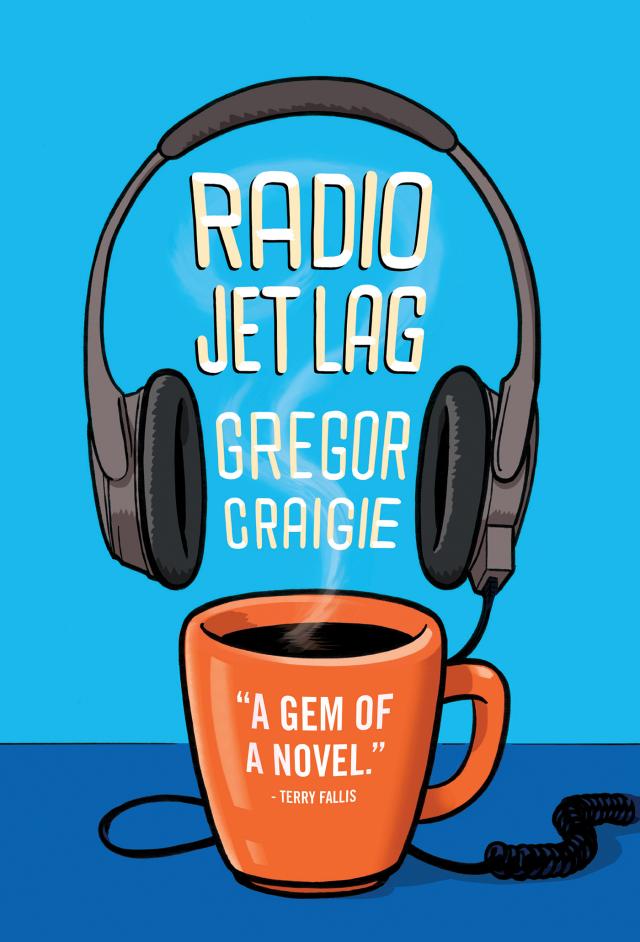
RADIO
JET LAG
RADIO
JET LAG
GREGOR
CRAIGIE
Copyright © 2023 Gregor Craigie
This edition copyright © 2023 Cormorant Books Inc.
No part of this publication may be reproduced, stored in a retrieval
system or transmitted, in any form or by any means, without the prior written consent of the publisher or a licence from The Canadian Copyright Licensing Agency (Access Copyright). For an Access Copyright licence, visit www.accesscopyright.ca or call toll free 1.800.893.5777.
We acknowledge financial support for our publishing activities: the Government of Canada, through the Canada Book Fund and The Canada Council for the Arts; the Government of Ontario, through the Ontario Arts Council, Ontario Creates, and the Ontario Book Publishing Tax Credit. We acknowledge additional funding provided by the Government of Ontario and the Ontario Arts Council to address the adverse effects of the novel coronavirus pandemic.
Library and Archives Canada Cataloguing in Publication
Title: Radio Jet lag / Gregor Craigie.
Names: Craigie, Gregor, author.
Identifiers: Canadiana (print) 20230190006 | Canadiana (ebook) 20230190022 | ISBN 9781770866713 (softcover) | ISBN 9781770866720 (HTML)
Classification: LCC PS8605.R34695 R33 2023 | DDC C813/.6—dc23
United States Library of Congress Control Number: 2023933767
Cover design: Nick Craine
Interior text design: Marijke Friesen
Manufactured by Friesens in Altona, Manitoba in April, 2023.
Printed using paper from a responsible and sustainable resource,
including a mix of virgin fibres and recycled materials.
Printed and bound in Canada.
Cormorant Books Inc.
260 Ishpadinaa (Spadina) Avenue, Suite 502,
Tkaronto (Toronto), ON M5T 2E4
www.cormorantbooks.com
For Becky
Contents
Cover
Half Title Page
Title Page
Copyright Page
Dedication
Chapter 1
Chapter 2
Chapter 3
Chapter 4
Chapter 5
Chapter 6
Chapter 7
Chapter 8
Chapter 9
Chapter 10
Acknowledgments
Land Acknowledgment
Landmarks
Cover
Title Page
Copyright
Dedication
Start of Content
Acknowledgments
Land Acknowledgment
Pagelist
i
ii
iii
iv
v
vi
1
2
3
4
5
6
7
8
9
10
11
12
13
14
15
16
17
18
19
20
21
22
23
24
25
26
27
28
29
30
31
32
33
34
35
36
37
38
39
40
41
42
43
44
45
46
47
48
49
50
51
52
53
54
55
56
57
58
59
60
61
62
63
64
65
66
67
68
69
70
71
72
73
74
75
76
77
78
79
80
81
82
83
84
85
86
87
88
89
90
91
92
93
94
95
96
97
98
99
100
101
102
103
104
105
106
107
108
109
110
111
112
113
114
115
116
117
118
119
120
121
122
123
124
125
126
127
128
129
130
131
132
133
134
135
136
137
138
139
140
141
142
143
144
145
146
147
148
149
150
151
152
153
154
155
156
157
158
159
160
161
162
163
164
165
166
167
168
169
170
171
172
173
174
175
176
177
178
179
180
181
182
183
184
185
186
187
188
189
190
191
192
193
194
195
196
197
198
199
200
201
202
203
204
205
206
207
208
209
210
211
212
213
214
215
216
217
218
219
220
221
222
223
224
225
226
227
228
229
230
231
232
233
234
235
236
237
238
239
240
241
242
243
244
245
246
247
248
249
250
251
252
252
253
254
255
256
257
258
259
260
261
262
263
264
265
266
267
268
269
270
271
272
273
274
275
276
277
278
279
280
281
282
283
284
285
286
287
288
289
290
291
292
293
294
295
296
297
298
299
300
301
302
303
304
305
306
307
308
309
310
311
312
313
314
315
316
317
318
319
320
321
322
323
324
325
326
327
328
329
330
331
332
333
334
335
336
337
338
339
340
341
342
343
344
345
Chapter 1
July 2015
The digital radio alarm clock shattered the silence right on schedule at 03:30 a.m.
Stephen Millburn, the newly minted morning man on Victoria news-talk radio station CIFU, registered the sound in his subconscious but was too deep in sleep to do anything about it.
Carole, his wife, now wide awake, used her elbow to make sure her husband was too. “Turn it off, Steve, you’ll wake the baby!”
Stunned, but now semi-conscious, Steve reached for the alarm. He missed the clock and knocked both the bedside lamp and a half-full glass of water onto the floor.
“Shit, shit, shit!”
He rolled out of bed, knees hitting the puddle on the old fir floor, fumbling in the dark for glass and lamp. He patted the floor tentatively until he found the broken shards of glass that were once a light bulb.
“Shit!”
“Steve!”
“It hurts!”
“Steve, please! You’ll wake the baby!”
“Sorry,” he whispered. But it was too late.
The predictable cry came through the wall from the apartment’s other bedroom. Three-month-old Noah had been silent for fewer than two hours, about as long as the colicky infant ever slept. His frantic cry triggered tears from his sleep-deprived postpartum mother.
“I can’t do this anymore,” Carole sobbed as she shuffled past Steve.
Neither can I, he thought.
Steve waited for the crying to stop, then cleaned up the mess quickly and quietly. Carole nursed Noah in the other room while Steve had a hot shower. After far too long in the shower, he surrendered to the inevitable and got ready for work in silence.
He made it out of the house without waking the now-sleeping baby, but no sooner had he started to relax than he was reminded of another item on his to-do list. The silver Grumman canoe he’d bought at an estate sale over the weekend was still strapped to the roof of his forest-green Volvo station wagon. The car was twenty years old, and Steve guessed the canoe was twenty years older. But the prospect of all that dented aluminum for just two hundred dollars had proved too tempting as he imagined taking Noah on the kind of father-son paddling trips he’d taken with his own dad. At 04:22 on a Monday morning, the impulse purchase now seemed a mistake. Will I fit in the parkade with this thing strapped to the roof? He decided to gamble he would, unlocked the driver’s door, and quickly shifted his attention to the acquisition of coffee.
After a brief detour at the all-night Tim Hortons in Rock Bay, Steve held his breath as the Volvo rolled under the yellow clearance bar and into the parkade. No worry about the keel acquiring another dent — it wasn’t close. He strolled into the CIFU newsroom seven minutes late, with a half-finished double-double in one hand and a brown paper bag in the other. He collapsed into his seat and picked up the top newspaper from the fresh stack on his desk.
“Big exclusive for the Sun,” said a voice.
Steve recognized it as that of Susan Schmitt, the intense twenty-four-year-old producer who worked with him. But he couldn’t see her. “Where are you?”
“Under the desk,” she said matter-of-factly.
“Why are …”
“That is a huge chunk of forest land!”
“Why are you under the …”
“All the enviros want it turned into park land, and the First Nations are claiming it.”
“Susan, what are you doing down there?”
“Fixing my computer,” she replied, climbing out from under her desk. Short and thin, with long dark-brown hair pulled back in a tight ponytail, Susan looked wide awake in spite of the hour. “This story is big, Steve. It’s huge!”
Steve felt the now-familiar fatigue wash through his body: nausea, mixed with dizziness and a faint numbing of all the senses. His head, back, legs, everything felt tired.
“We have to follow it!” Susan implored. “Right?”
“Do you ever get used to this?”
“You mean getting scooped? No way! It pisses me off! But we only have a handful of people, and the papers still have way more reporters than we do! Even after all the layoffs! It’s not a fair fight!”
“Not that,” Steve groaned. “I mean this shift. Waking up in the middle of the night. How long have you been doing it?”
“About two years now, but I’ve learned a lot —”
“I’m not questioning your experience. I’m just wondering how you wake up at three-thirty every morning, and lead a normal —”
“Oh. I wake up earlier than that!”
“Three?”
“Two most mornings,” she said casually. “Sometimes earlier if I can’t sleep.”
“Holy shit, Susan, that’s not normal!” Steve peeled the paper off his chocolate chip muffin. “This isn’t normal! Waking up in the middle of the night, feeling jet-lagged. Eating crap just to feel better. Drinking gallons of coffee just to stay awake. I’ve been doing this for four months now and —”
“And you’re doing great! Just wait until the first ratings come out with you as host! I really think we’ll go up!”
“We can hardly go down,” Steve sighed. “We’re already number eight in an eight-station market.”
“If you don’t count the Vancouver and Seattle stations. But we could still lose listeners, and be an even more dismal number eight.”
“I never thought of it like that.”
“Oh no,” Susan gasped. “It’s four-forty-five! We have to call Ottawa!”
Steve put down his muffin before he had taken his first bite and heaved himself out of the chair. He picked up the pile of papers and background articles and followed his much more energetic colleague down the hallway.
Susan sprang into the control room quickly, turning on the overhead lights and plunging into the rolling chair behind the control board. She picked up the phone and hammered in the number of the Canadian Press bureau on Parliament Hill.
Steve pushed the heavy soundproof door to the adjoining studio wearily and slipped past it as it closed. He ignored the light switches on the wall, guided by the fluorescent glow pouring through the thick glass between studio and control room. He slumped into the host’s chair, clicked on the small table lamp, and put his headphones on.
“She’s ready,” Susan barked into the talkback microphone, which allowed the host and producer to talk directly to each other without the audience or guests hearing.
Steve dialed down the headphone volume and pressed the microphone button on his desk. The red mic light flashed on with the strangely comforting glow that accompanied every word he sent out over the radio airwaves.
“Hey Jacko, how are things on the Hill?” Steve asked.
“He’s not here today, it’s …” the woman on the other end of the phone started to answer.
“It’s not Jack,” Susan interrupted on the talkback mic. “He’s travelling with the defence minister this week, so we’ve got Ginny Donaldson instead. Just like the script says.”
“Sorry,” Steve apologized through the talkback. “My computer is still starting up, so I can’t see the script yet.”
““I printed you a copy of it. It’s on top of your papers. Right in front of you.”
Steve felt especially stupid as he glanced down and saw not only the paper script for the interview, but also the correct name of the person who was now waiting to record an interview with him. “Hi Ginny, it’s Steve here. Sorry about the confusion.”
“No problem.”
“I don’t think we’ve met. I used to work in the bureau there.”
“I didn’t know that!”
Steve ignored the bruise to his ego and carried on, knowing he was short of time. “How long have you been there?”
“A few weeks, but don’t worry. I’m up to speed.”
“How do you like working on Parliament Hill?”
“It’s fantastic!” she gushed. “I was in a scrum with the prime minister yesterday and —”
“We’re running out of time!” Susan interrupted.
“Sometimes I have to pinch myself!” Ginny concluded.
“That’s great to hear,” Steve responded. “But we’ve only got another twelve minutes before you talk to the next station, so we better get started.”


